Epstein Survivors Demand Full Transparency and DOJ Accountability in Ongoing Investigation
The dark shadow cast by Jeffrey Epstein's vast sex trafficking network continues to loom large, not only for his many victims but for the institutions tasked with delivering justice. In a critical juncture of the ongoing epstein investigation, survivors, their legal teams, and a chorus of advocacy groups and bipartisan lawmakers are escalating their demands. Their message is unequivocal: full transparency regarding government handling of Epstein-related documents and robust accountability from the U.S. Department of Justice (DOJ) are paramount.
This renewed push for clarity gained significant momentum in early 2026, following a pivotal admission by the Justice Department. Despite a congressionally mandated deadline under the Epstein Files Transparency Act, the DOJ disclosed that it had released a mere fraction of the expected documents. This revelation ignited a fresh wave of public scrutiny and renewed calls for an internal probe into the agency's conduct, highlighting a persistent struggle to uncover the full truth behind Epstein's illicit operations and the individuals who may have facilitated or protected them.
The Unfulfilled Promise: Transparency Demands Mount
The genesis of the latest outcry can be traced back to December 19, 2025, when the U.S. Department of Justice announced the release of thousands of records pertinent to the sex trafficking investigation involving disgraced financier Jeffrey Epstein and his accomplice, Ghislaine Maxwell. This disclosure was ostensibly made in response to the Epstein Files Transparency Act, a legislative measure designed to shed light on the secretive aspects of the investigation and provide closure to survivors. However, the initial optimism quickly turned to frustration.
By January 6, 2026, the Justice Department conceded a startling truth: they had released fewer than 1% of the over two million potentially responsive files by the required December deadline. Citing ongoing reviews for sensitive information, the department's explanation did little to quell the rising tide of skepticism. This admission became the catalyst for immediate and intense pressure from various stakeholders, setting the stage for a critical examination of the DOJ's handling of the Epstein investigation files. Watchdog groups, such as the Democracy Defenders Fund, swiftly articulated the prevailing sentiment, accusing the department of engaging in a strategy of "deny, deflect, and delay" rather than fulfilling its transparency obligations.
Voices United: Survivors, Advocates, and Lawmakers
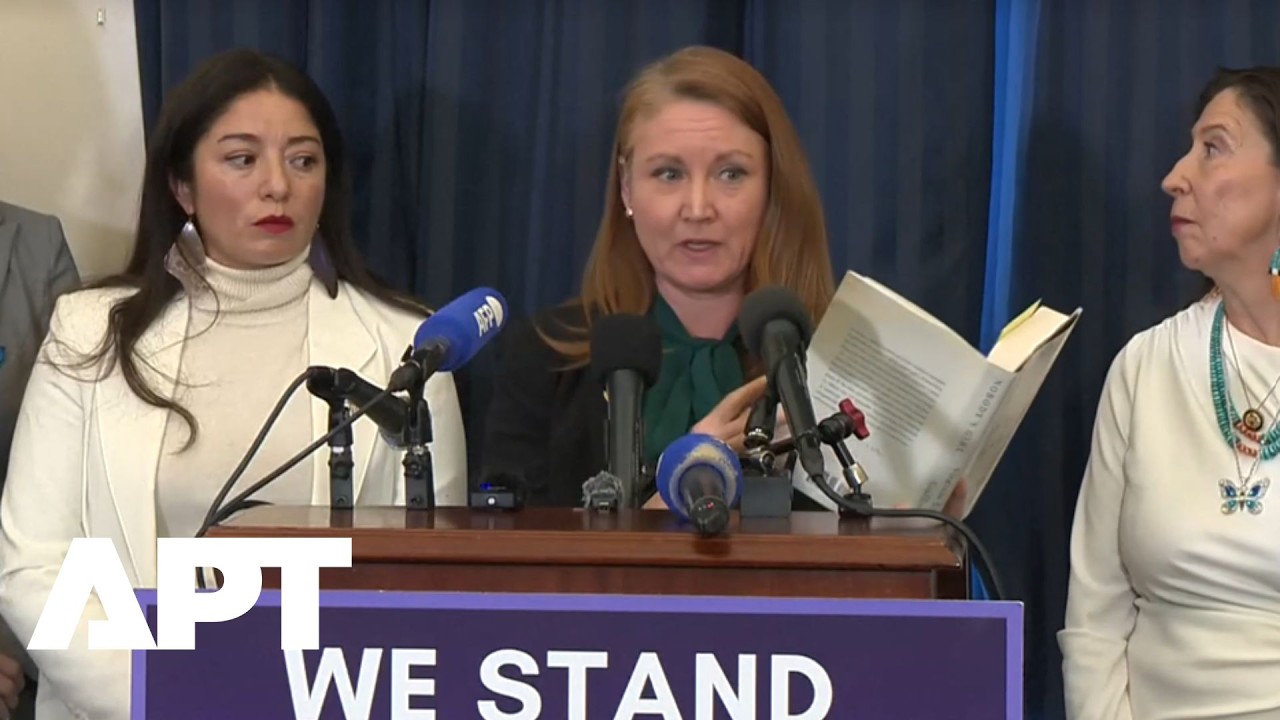
The call for an internal investigation into the DOJ's document handling is a unified one, emanating from a diverse coalition. Jeffrey Epstein survivors, who have bravely shared their harrowing experiences, are at the forefront of this movement. Attorneys representing these victims, including Jennifer Freeman for Maria Farmer and Spencer Kuvin for other clients, have voiced profound concerns. They demand independent oversight of the redaction processes and accountability for any lapses, emphasizing that critical investigative tips, some dating back as early as 1996, may have been left unaddressed.
Watchdog organizations, exemplified by the Democracy Defenders Fund, have amplified these legal calls with public demands for accountability. Furthermore, the issue has transcended partisan lines in Congress. A notable letter from Senate Democrats, alongside Republican Senator Lisa Murkowski, called for a "neutral assessment" of the DOJ's compliance with disclosure laws. This bipartisan appeal underscores the widespread frustration with what many perceive as partial disclosures, which only fuel public skepticism rather than alleviating it. The collective voice insists that while protecting victims' identities and national security interests is crucial, these protections should not become pretexts for obscuring potential governmental or institutional failures within the epstein investigation.
A Troubled History of Disclosure in the Epstein Investigation
The recent controversy surrounding the DOJ's document release is not an isolated incident but rather the latest chapter in a long and often contentious history of disclosures related to the epstein investigation. Following Jeffrey Epstein's 2019 arrest on federal sex trafficking charges, initial court documents from the U.S. Attorney's Office for the Southern District of New York entered public dockets. These included indictment filings and preliminary evidence logs, yet they were limited in scope and heavily redacted, primarily for ongoing investigative purposes. While providing an initial glimpse, they left many questions unanswered.
The truly significant breakthroughs in public disclosure largely stemmed from the 2015 defamation lawsuit filed by Virginia Giuffre against Ghislaine Maxwell. Through phased unsealing orders issued by U.S. District Judge Loretta Preska, a wealth of materials progressively came to light. A key batch released in late 2023 and early January 2024, in particular, made public over 900 pages of documents, identifying more than 150 previously pseudonymized individuals as John or Jane Does. These revelations included depositions detailing recruitment tactics, Jeffrey Epstein's infamous flight logs listing passengers on his private jets to locations like Little St. James island, extensive contact lists of associates, and detailed references to the controversial 2008 Florida non-prosecution agreement that allowed Epstein to largely escape federal charges at the time.
However, even these critical releases were not without their limitations. Records through late 2025 continued to highlight ongoing redactions and withholdings. Judicial rulings consistently noted that certain sensitive portions, such as full victim statements or unverified claims, remained sealed despite persistent transparency pushes. The stated reasons for these redactions typically revolved around protecting the identities of minor victims, safeguarding third-party privacy, or preserving the integrity of active investigations. This continuous balancing act between the public's right to know and the necessity of protection remains a defining feature of the Unsealed Epstein Documents: A Timeline of Disclosures and Redactions, fueling calls for more robust, independent oversight.
Balancing Act: Transparency vs. Protection in the Epstein Investigation
The intricate process of releasing documents related to the epstein investigation is inherently complex, navigating a delicate balance between public transparency and essential protections. It's crucial to acknowledge the legitimate reasons for redactions, such as safeguarding the identities and privacy of minor victims who have already endured unspeakable trauma, or protecting ongoing active investigations from being compromised. Furthermore, in some instances, national security implications could genuinely necessitate the withholding of certain information.
However, the persistent concern among survivors, their advocates, and lawmakers is that these legitimate reasons may sometimes be broadly or selectively applied, potentially obscuring information that could expose official negligence, complicity, or insufficient action within the Department of Justice itself. This is why calls for independent oversight of the redaction process are so critical. A neutral third party could scrutinize the rationale behind each redaction, ensuring that protective measures are not misused as a shield for concealing potential wrongdoing or avoiding accountability for past oversights in the epstein investigation.
For the public, engaging with this process is vital. Supporting reputable watchdog groups dedicated to government transparency and contacting elected representatives to voice concerns can put pressure on institutions to uphold their commitments. The long-term implications of a perceived lack of transparency are significant; it can erode public trust in the justice system, governmental agencies, and the rule of law. Restoring this trust requires not just the release of documents, but the assurance that these disclosures are thorough, unbiased, and conducted with the highest degree of integrity, offering a true and complete picture of the epstein investigation.
The demands for full transparency and DOJ accountability in the epstein investigation represent a crucial moment in the pursuit of justice. As survivors continue their brave fight to uncover the full truth, the pressure on the Department of Justice to uphold its commitments under the Epstein Files Transparency Act will only intensify. This ongoing struggle underscores the vital importance of governmental transparency, not just for the victims seeking closure, but for maintaining public faith in the institutions designed to protect its citizens and uphold the law. The path to true accountability requires unwavering commitment, independent scrutiny, and a genuine resolve to lay bare every aspect of this profoundly disturbing case.