Unsealed Epstein Documents: A Timeline of Disclosures and Redactions
The epstein investigation has captivated global attention for years, driven by the heinous nature of Jeffrey Epstein's crimes and the lingering questions surrounding his network and the extent of complicity. Central to the public's pursuit of truth has been the gradual, often contentious, release of documents related to the case. This article provides a comprehensive timeline of these crucial disclosures, examining the legal battles, the challenges of redaction, and the ongoing demands for full transparency that continue to shape the narrative of the epstein investigation.
The Initial Waves: Early Filings and the Giuffre Lawsuit
The public's first glimpse into the detailed allegations against Jeffrey Epstein came with his 2019 arrest on federal sex trafficking charges. At this juncture, the U.S. Attorney's Office for the Southern District of New York entered preliminary court documents into public dockets. These initial filings included indictments and basic evidence logs, which, while foundational, were inherently limited and subject to significant redactions necessary for ongoing investigative purposes. They served as a critical starting point, confirming the federal government's renewed commitment to prosecuting a case that had long been mired in controversy.
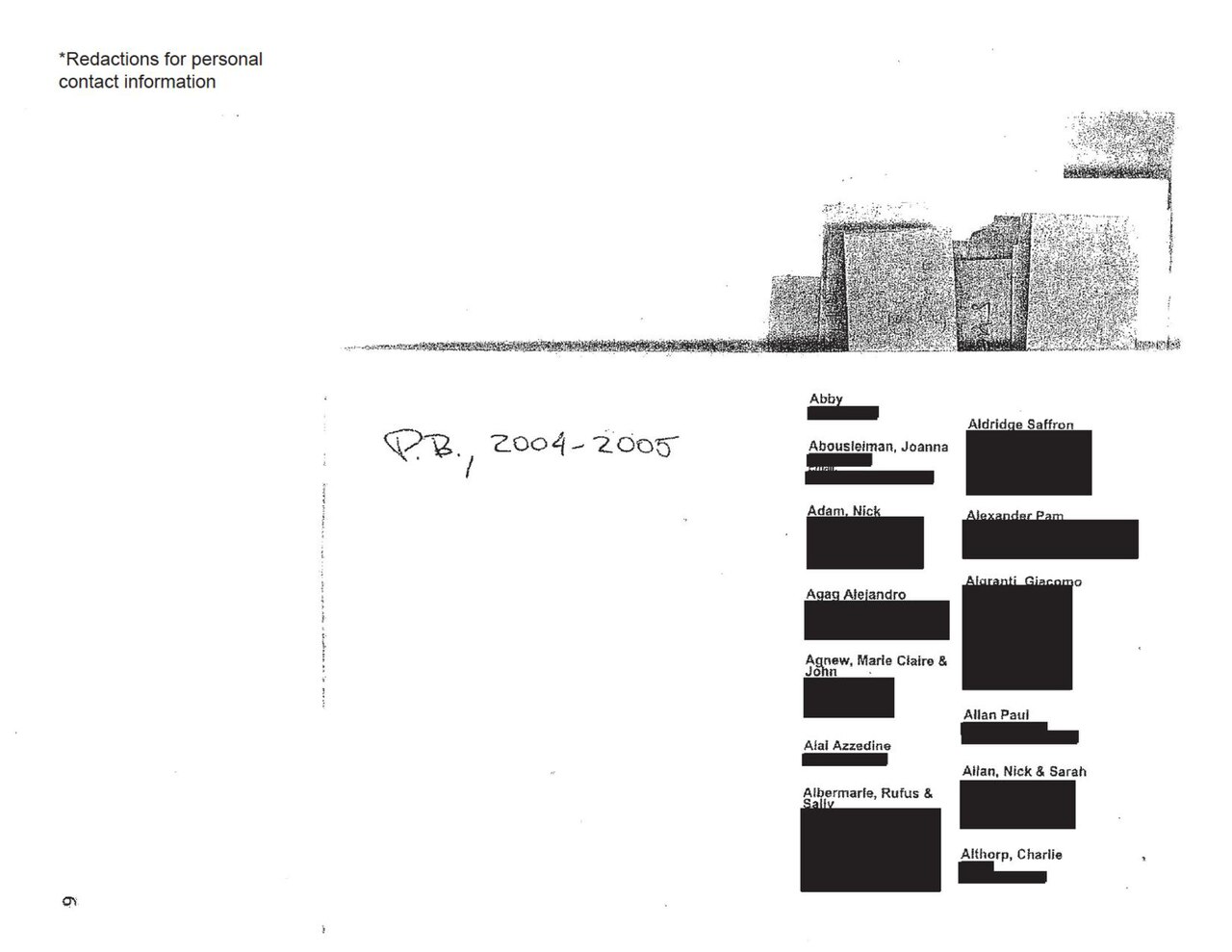
However, the most substantial wave of disclosures didn't emerge directly from the criminal proceedings against Epstein, but rather from a civil defamation lawsuit filed in 2015 by victim Virginia Giuffre against Epstein's alleged accomplice, Ghislaine Maxwell. This lawsuit proved to be a pivotal legal battleground for transparency. U.S. District Judge Loretta Preska oversaw phased unsealing orders, progressively revealing materials that offered unprecedented insights into Epstein's operation. A particularly significant batch was made public in late 2023 and early January 2024, encompassing over 900 pages. This release was groundbreaking, identifying more than 150 previously pseudonymized individuals who had been referred to as "John or Jane Does" in earlier documents.
The information unveiled during this period was vast and deeply unsettling. It included detailed depositions outlining the recruitment tactics used to ensnare young women and girls, sensitive contact lists of alleged associates, and critically, portions of Epstein's private jet flight logs. These logs listed passengers on his notorious planes, often referred to as the "Lolita Express," detailing flights to various locations, including his private island, Little St. James. References to the controversial 2008 Florida non-prosecution agreement, which had granted Epstein immunity from federal prosecution, also surfaced, further fueling public outrage and calls for justice. Despite these significant releases, many public records through late 2025 continued to highlight ongoing redactions and withholdings. These were primarily justified to protect the identities of minor victims, safeguard third-party privacy, or avoid compromising active investigations. Judicial rulings often affirmed that certain highly sensitive portions, such as full victim statements or unverified claims, would remain sealed, balancing the push for transparency with the need for legal and ethical safeguards.
The Promise and Peril of the Epstein Files Transparency Act (2025)
The demand for greater transparency reached a legislative peak, culminating in the passing of what was informally known as the Epstein Files Transparency Act. This law set a stringent deadline for the U.S. Justice Department to release a vast cache of records related to the epstein investigation. On December 19, 2025, in Washington D.C., the Justice Department made an initial release of thousands of records, aiming to fulfill its obligations under this new transparency mandate. The anticipation surrounding this release was immense, with victims, legal advocates, and the public eagerly awaiting a full reckoning.
However, the promise of full transparency quickly gave way to widespread disappointment and skepticism. Just weeks after the deadline, on January 6, 2026, the Justice Department admitted a startling failure: it had released fewer than 1% of over two million potentially responsive files. The department cited "ongoing reviews for sensitive information" as the reason for this significant shortfall. This admission triggered an immediate and furious backlash. Critics argued that the delay not only undermined the spirit of the transparency law but also perpetuated the very secrecy that had long shrouded the epstein investigation, leaving crucial questions unanswered and fueling a pervasive sense of distrust in the system's commitment to accountability.
Calls for Accountability: The 2026 Investigation Request and Ongoing Scrutiny
The Justice Department's failure to meet the congressionally mandated disclosure deadline sparked an immediate and powerful outcry. In early January 2026, a concerted effort emerged from a diverse coalition demanding an internal probe into the agency's handling of Epstein-related documents. This coalition included Jeffrey Epstein survivors, their dedicated attorneys such as Jennifer Freeman and Spencer Kuvin, influential watchdog groups like the Democracy Defenders Fund, and a bipartisan group of lawmakers, including Senate Democrats and Republican Sen. Lisa Murkowski.
These formal submissions and calls urged the U.S. Department of Justice's Office of the Inspector General to launch a comprehensive internal investigation. Their concerns were specific and severe: allegations of selective releases, improper redactions, and a blatant failure to comply with the Epstein Files Transparency Act. A pointed letter from the Democracy Defenders Fund on January 7, 2026, accused the department of employing a strategy of "deny, deflect, and delay" in providing essential transparency. Separately, lawmakers called for a "neutral assessment" of the department's compliance with disclosure laws, highlighting the need for an unbiased review to restore public trust.
Attorneys representing survivors powerfully echoed these sentiments, advocating strenuously for independent oversight of the entire redaction process and demanding accountability for any lapses, including the chilling revelation of unaddressed investigative tips dating back as early as 1996. These requests underscored broader frustrations over the nature of partial disclosures, which, rather than satisfying public curiosity, often fueled further skepticism. The demands consistently emphasized the critical need to strike a delicate balance: achieving maximum transparency while rigorously protecting the identities of minor victims and ensuring national security redactions where genuinely necessary. The ongoing scrutiny highlights that for many, the epstein investigation remains far from over until all possible truths are brought to light.
Understanding Redactions and the Path Forward for the Epstein Investigation
The contentious issue of redactions lies at the heart of the transparency debate surrounding the epstein investigation. While the public rightly demands full disclosure, legal frameworks and ethical considerations necessitate certain withholdings. The primary reasons for redactions in the Epstein files have consistently been to protect the identities and privacy of minor victims, shield the personal information of third parties not directly implicated in criminal activity, and avoid compromising ongoing active investigations. Judicial rulings have frequently affirmed these protections, noting that sensitive portions, such as full victim statements or unverified claims, must remain sealed to prevent further trauma, ensure due process, and avoid the spread of misinformation.
Understanding these complexities is crucial. While frustrating for a public eager for answers, the legal system must balance the right to information with fundamental privacy rights and the integrity of justice. The ongoing challenge is to ensure that redactions are applied judiciously and not used as a pretext for continued secrecy. Watchdog groups and legal advocates play a vital role in scrutinizing these processes, pushing for independent oversight, and ensuring that any withheld information genuinely meets the strict criteria for redaction. The path forward for the epstein investigation involves persistent advocacy, continued judicial review, and unwavering pressure on governmental bodies to honor their commitments to transparency. Practical advice for those following such complex cases includes understanding that legal processes are often incremental and that the pursuit of justice, particularly in cases of this magnitude, is a marathon, not a sprint.
In conclusion, the journey of unsealing the Epstein documents is a complex and evolving narrative, marked by significant disclosures, contentious redactions, and persistent calls for accountability. From the initial court filings and the pivotal Giuffre lawsuit to the ambitious yet faltering promises of the Epstein Files Transparency Act, each step has revealed more about Jeffrey Epstein's dark network while simultaneously highlighting the challenges of achieving full governmental transparency. The relentless efforts of survivors, attorneys, and watchdog groups underscore that the epstein investigation remains a crucial test of the justice system's ability to expose truth and deliver accountability, ensuring that such egregious crimes are fully understood and their enablers brought to light.